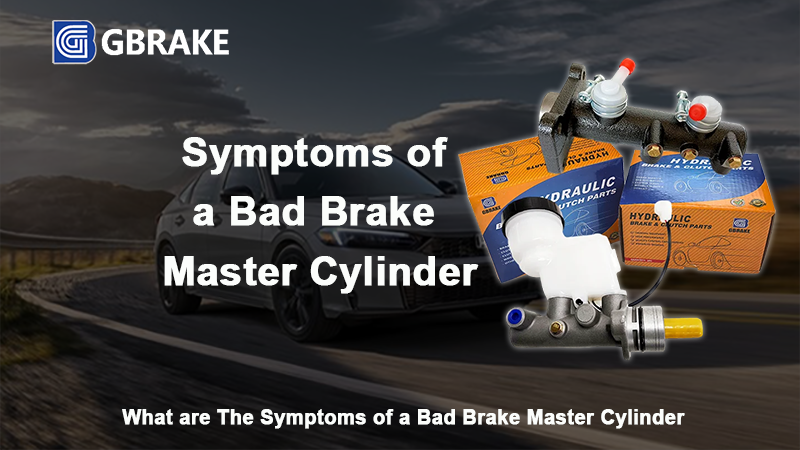
The brake master cylinder is one of those car parts you don’t think about—until it stops working. This component is essential for creating the hydraulic pressure needed to stop your car, so if it starts failing, you might not be able to stop at all. After all, your brakes are your first line of defense against accidents, so keeping them in good condition is a must. Symptoms of a bad brake master cylinder include a soft or spongy brake pedal, a hard or unresponsive pedal, brake fluid leaks, and inconsistent braking performance.
Let’s take a closer look at the key symptoms of a bad brake master cylinder. Recognizing these early on can help you avoid bigger, more costly repairs—and most importantly, keep you and others on the road safe.
What is the Brake Master Cylinder
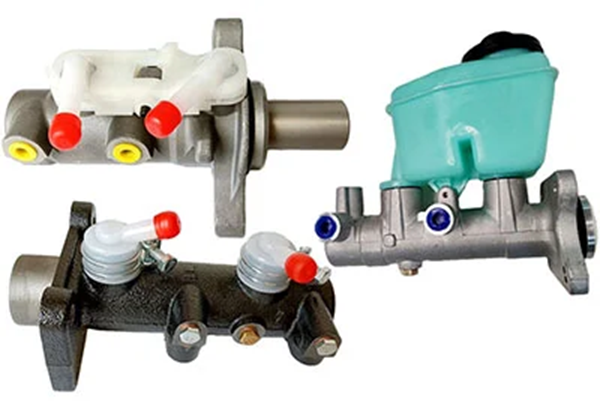
The master brake cylinder is the most crucial component in an automotive braking system. Its function is to convert the pressure generated by depressing the brake pedal into hydraulic power, thereby activating the braking mechanism. It’s essentially the heart of your car’s braking system. Behind every smooth stop you make, the master cylinder works silently behind the scenes. This component quickly sends hydraulic signals to the brake parts on all four wheels when you press the pedal. It quietly ensures your safety on every journey. Without a working master cylinder, your brakes can’t function properly. This means your stopping power will be reduced—or in the worst case, you could lose all braking ability.
In modern cars, the brake master cylinder is often divided into two reservoirs: one for the front brakes and one for the rear. The master cylinder is separated into two sections, one controlling the front brakes and the other controlling the rear brakes. As usage time increases, seals in the brake master cylinder may wear out, causing brake fluid leakage or a decrease in brake fluid pressure. Both of these situations serve as early indicators of brake master cylinder malfunction.
Symptoms of a Bad Brake Master Cylinder
We have compiled the following five common signs of brake master cylinder failure. If you notice any of these issues, do not take them lightly—promptly have your brake master cylinder inspected and repaired.
Soft or Spongy Brake Pedal

If you feel the brake pedal is soft or spongy when you press it, or if it feels very springy, it’s likely that air or moisture has entered the brake lines, or that the master cylinder seals have failed. Often, this happens when air or moisture has entered the brake lines, or when the seals inside the master cylinder begin to wear out. These seals are crucial for maintaining pressure in the system by keeping brake fluid contained. When they fail, air can sneak in, causing the pressure to drop. If you notice the pedal sinking all the way to the floor, it’s a clear sign that the system isn’t holding pressure like it should, which can eventually lead to a total loss of braking ability.
Hard or Unresponsive Brake Pedal
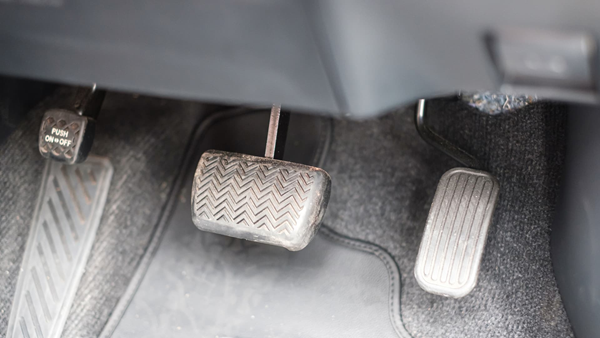
On the other hand, if the brake pedal feels unusually stiff or hard to push, the master cylinder may not be creating enough hydraulic pressure. As a result, it will be much harder to stop the vehicle. You’ll need to apply more pressure than usual to get the brakes to respond properly. A hard pedal could be due to a number of issues, but a failing master cylinder is a common cause.
Brake Fluid Leaks
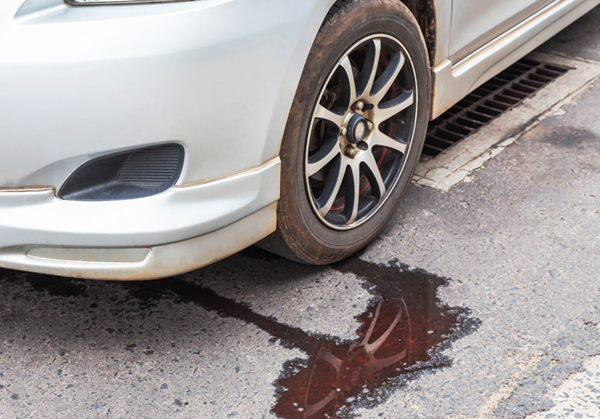
Brake fluid leaks around the master cylinder are an obvious and alarming symptom of a failing part. If you see fluid leaking from the cylinder or around the brake lines. It means the seals inside the master cylinder have worn out or cracked. This is a serious problem because, without enough brake fluid, the braking system can’t work properly. In this case, you risk complete brake failure. Even small leaks should be taken seriously and fixed immediately.
Inconsistent Braking Performance
Have you ever felt like your brakes are taking longer to stop the car or feel uneven? This can be a sign that the hydraulic pressure in your brake system is uneven, often caused by a faulty master cylinder. If the pressure is not being distributed evenly, you may notice that one side of the car brakes harder than the other or that the braking response isn’t as quick or effective as it should be. This is something that shouldn’t be ignored and needs to be addressed as soon as possible for your safety.
Warning Light on the Dashboard
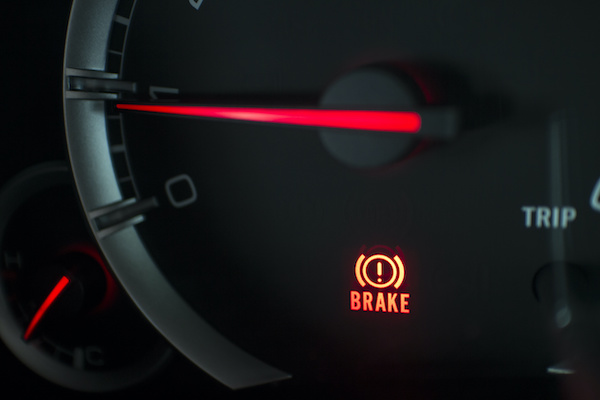
Many modern cars come with sensors in the braking system. These sensors monitor how well different parts are working, including the master cylinder. If the brake warning light turns on, it may mean the brake fluid is low. This is often caused by a failing master cylinder. While the light could indicate other braking issues, it’s always a good idea to have your car checked right away.
What Happens If These Symptoms Are Ignored

Ignoring issues with your brake master cylinder can lead to serious consequences. Here’s what can happen:
- Complete Brake Failure
If the master cylinder fails, you could lose the ability to stop your vehicle completely. This is the most dangerous risk and could lead to a serious accident. - Strain on Other Brake Parts
When the master cylinder isn’t functioning properly, it can put added pressure on other parts of your braking system, such as the calipers or ABS pump. Over time, this can cause those components to wear out faster, leading to more extensive and costly repairs. - Unpredictable Braking Performance
When the master cylinder isn’t working properly, your brake pedal may feel too soft or too hard. This makes it difficult to predict how the car will respond, especially in emergencies, which can put your safety at risk.
How Master Cylinder Issues Affect Other Brake Parts
While the brake master cylinder is critical to your braking system, it’s important to remember that the issue could extend beyond just the master cylinder. Here are two other key components that might be involved when the symptoms of a bad brake master cylinder appear:
Brake Booster
The brake booster helps you apply less force to the brake pedal by increasing the pressure generated when you press down. If the brake booster fails, the pedal will become very stiff, similar to what you might experience with a failing master cylinder. However, a brake booster issue typically won’t cause fluid leaks or pedal sinking. To differentiate between a faulty master cylinder and brake booster, try pumping the brake pedal when the engine is off. If the pedal gets progressively stiffer as you continue to press, the booster is likely the issue.
ABS Pump
In modern vehicles, the ABS pump operates in conjunction with the brake master cylinder. It helps control braking pressure during hard stops. If there’s a problem with the ABS, you may notice symptoms similar to a failing master cylinder. For example, the brake pedal might feel soft or spongy. ABS problems are usually identified by checking error codes with specialized tools. If you encounter brake issues, be sure to inspect both the brake master cylinder and the ABS.
Conclusion
If you notice any malfunction with the master cylinder, please inspect your vehicle immediately. The braking system is one of the most critical safety components in a vehicle, and master cylinder failure can lead to extremely serious consequences. Therefore, addressing these issues promptly is essential to avoid costly repairs and, most importantly, prevent accidents involving you and your passengers. Take brake system issues seriously. Perform regular maintenance, troubleshoot problems, and ensure worry-free travel.