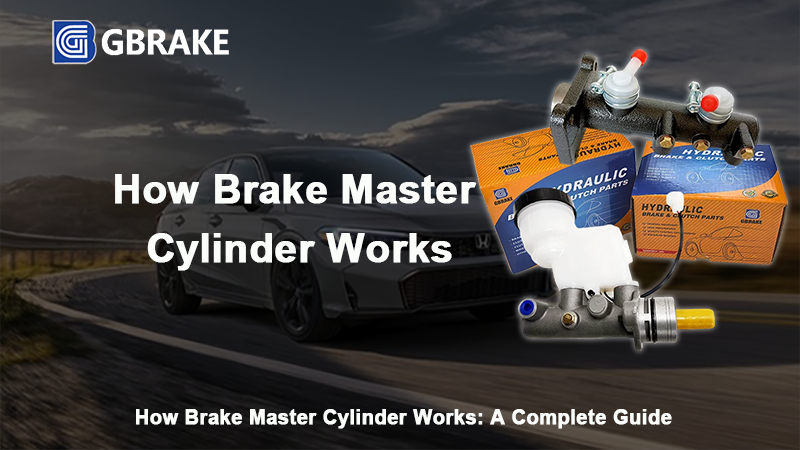
The brake master cylinder is one of the most important components in any vehicle’s braking system. The master brake cylinder converts the pressure applied by the driver to the pedal into hydraulic force, thereby bringing the vehicle to a stop. For businesses in the automotive industry, particularly those specialising in brake systems, understanding how brake master cylinder works is highly important. Below, we will describe in detail how the braking system works and provide some related knowledge about the master brake cylinder.
Key Components of the Brake Master Cylinder
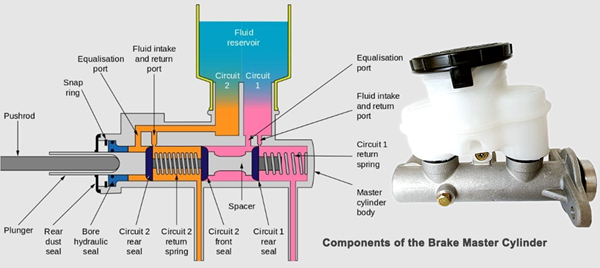
Before we figure out how it works, let’s take it apart and examine its most crucial components. That way, when we discuss its workflow later, you’ll be able to follow along.
- Reservoir
The reservoir holds the brake fluid, ensuring there’s always enough fluid in the system. It’s usually located on top of the master cylinder and is easy to check and refill when necessary. - Piston
The piston is the key part of the master cylinder. When you press the brake pedal, the piston moves inside the cylinder, pushing the brake fluid and building the hydraulic pressure that powers the brakes. - Bore
The bore is the inner surface of the master cylinder that houses the piston. Its smoothness is crucial—any wear or damage here can reduce the effectiveness of the master cylinder. - Seals and Gaskets
These parts prevent brake fluid from leaking out of the master cylinder. If they fail, it can lead to a drop in hydraulic pressure, which can affect braking performance. - Return Spring
The return spring makes sure the piston goes back to its starting position when you release the brake pedal. This resets the hydraulic pressure, freeing up the brakes and getting the system ready for the next time you need it.
How the Brake Master Cylinder Works
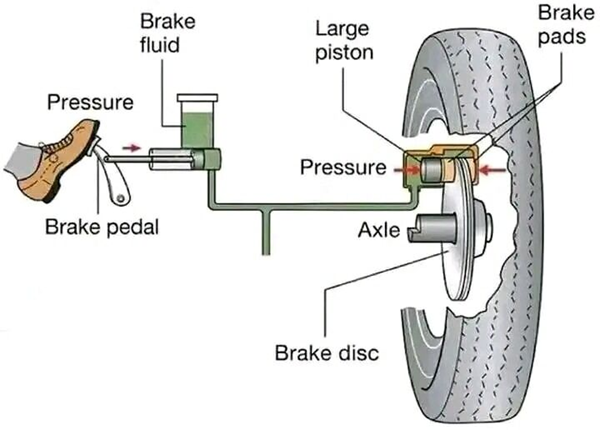
Now that we’ve looked at the master cylinder’s parts, let’s put them all together to see how they work to get the job done. Simply put, the master cylinder’s role is to convert the mechanical force generated when you press the brake pedal into hydraulic pressure, thereby activating the braking system. To help you understand this process more clearly, let’s describe step by step how it works:
Step 1: Pressure Applied to the Brake Pedal
When you press down on the brake pedal, you’re kicking off the braking process. The pedal is linked to a pushrod — a metal rod that carries the force from your foot to the brake master cylinder. The harder you press the pedal, the more pressure is created in the brake system, helping slow the car down.
- What happens here: As the brake pedal is pushed, it moves the pushrod, which pushes against the piston inside the master cylinder.
Step 2: Activation of the Piston Inside the Master Cylinder
Once the pushrod pushes on the piston inside the brake master cylinder, the piston begins to move within the cylinder. This motion is crucial because it directly impacts the generation of hydraulic pressure.
- What happens here: The piston moves forward, compressing the brake fluid that fills the cylinder. Brake fluid is non-compressible, so when the piston moves, it forces the brake fluid to build pressure within the cylinder. This pressure is what powers the rest of the braking system.
- Key point: The piston acts like a divider, splitting the master cylinder into two parts: one holds the brake fluid, and the other holds the pressurized fluid that’s sent to the brake lines.
Step 3: Generation of Hydraulic Pressure
As the piston moves, it pushes the brake fluid through the lines that run all over the vehicle. This pressure is what actually makes the brakes work. The master cylinder is essentially acting as a hydraulic pump, converting the mechanical force from your foot into hydraulic energy.
- What happens here: Once the master cylinder pressurizes the brake fluid, it flows through the brake lines to either the brake calipers (in disc brakes) or the wheel cylinders (in drum brakes). The hydraulic pressure then pushes these parts to engage the brakes and slow the car down.
Step 4: Application of Pressure to the Brake Components
Meanwhile, pressurised brake fluid flows to your brake calipers or wheel cylinders. And these brake components slow the vehicle by applying friction to the wheels.
What happens here:
- In a disc brake system, brake fluid pressure forces the brake caliper to squeeze the brake pads into the rotating brake disc. The friction generated between the brake pads and the rotor slows the wheel’s rotation, effectively bringing the vehicle to a stop.
- In drum brake systems, the hydraulic pressure pushes the brake shoes outward, causing them to press against the brake drum. Friction occurs between the brake shoes and the brake drum, producing the braking force capable of decelerating or halting the vehicle.
Key point: The amount of pressure applied to the calipers or wheel cylinders depends on the force you apply to the brake pedal. The stronger the pressure on the pedal, the greater the hydraulic pressure generated by the master cylinder.
Step 5: Brake Pedal Feel and Vehicle Response
As hydraulic pressure gradually increases, you’ll feel the brake pedal become progressively harder to depress while driving. This occurs because brake fluid is pressurised within the braking system, and the pedal transmits this pressure to you as the driver.
- What happens here: The firmness of the pedal is a direct reflection of the amount of pressure being applied to the braking system. The more pressure applied to the brake pedal, the greater the braking force that will be exerted on the vehicle’s wheels.
- Key point: If the master cylinder is functioning properly, the brake pedal feel should be consistent. The vehicle should respond predictably when the brakes are applied. Any softness or sponginess in the pedal could indicate air in the brake lines or a malfunction within the master cylinder itself.
Step 6: Releasing the Brake Pedal
When the driver lifts their foot off the brake pedal, the brake master cylinder goes back to its normal position. A return spring inside the master cylinder pushes the piston back to where it started. This allows the hydraulic pressure to be released and the brake fluid to flow back into the reservoir.
- What happens here: As the piston moves back, the brake fluid that was pressurized during braking returns to the master cylinder reservoir, relieving the pressure in the brake system. The brake pads or shoes separate from the brake disc or drum, so the vehicle can resume normal operation.
- Key point: Piston reset ensures the braking system is successfully reset and always ready for your next braking operation.
Summary of the Brake Master Cylinder Operation
To summarise, the brake master cylinder works by:
- Receiving force from the brake pedal through the pushrod.
- Moving the piston inside the cylinder compresses the brake fluid.
- Generating hydraulic pressure, which is transmitted through the brake lines.
- Activating the brake calipers or wheel cylinders, applying friction to the wheels, and slowing the vehicle.
- Giving the driver a consistent brake pedal feel, which directly reflects the force applied.
- Returning to its original position, releasing pressure, and resetting the system for the next use.
The entire process takes only a fraction of a second to complete, ensuring every braking action is swift and effective.
The Role of the Master Cylinder in the Braking Process
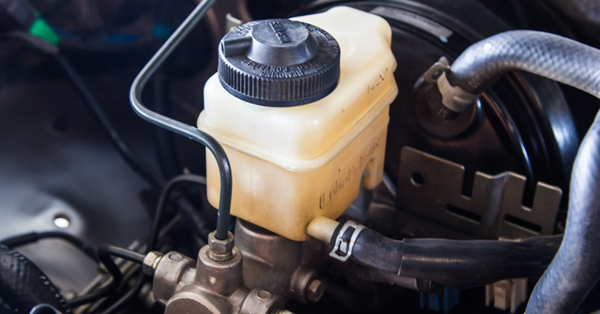
This section contextualises the operation of the brake master cylinder within the entire system, explaining how it is activated and how it influences subsequent stages.
1. The Pedal and Booster: How Your Foot Moves the Master Cylinder
When you press down on the brake pedal, the braking process begins. The pedal acts like a lever, turning your foot’s soft, gradual pressure into a quick, strong push on the master cylinder’s pushrod, thanks to something called the “pedal ratio,” which amplifies the force.
But it’s not just your foot doing all the work. There’s also the brake booster, sitting between the pedal and the master cylinder. It utilises engine vacuum (or sometimes an electric pump) to enhance the push even further. That’s why the brake pedal feels harder when the engine is off—without the booster, you’d need to use a lot more force to get the master cylinder moving.
2. From Fluid Pressure to Stopping Power: Where the Force Goes
As you press the brake pedal, the master cylinder transforms that pressure into hydraulic force, which flows through a network of metal lines and flexible hoses, reaching each wheel to activate the brakes. Think of this system like a highway for brake fluid.
At each wheel, brake fluid enters the brake caliper or wheel cylinder. The fluid inside pushes the piston, forcing the brake pads against the rotor. It is here that hydraulic pressure is converted into mechanical force, generating the friction necessary for deceleration, slowing, and stopping the wheels.
Conclusion
Understanding how the brake master cylinder works helps us see how the whole braking system comes together. From the driver’s foot pressing the pedal to the hydraulic pressure that gets created, each part plays a crucial role in making sure the car stops safely. For those in the brake industry, knowing this inside and out is key to providing great service and keeping things running smoothly. In the end, the master cylinder ensures that a simple push on the pedal results in safe braking every time.