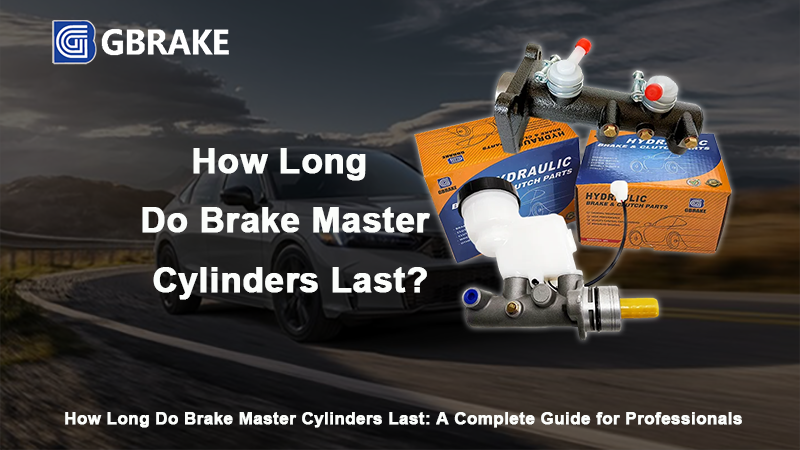
The master cylinder is the sole link between the force from your foot and the braking power applied to the wheels. Without it, your act of pressing the brake pedal cannot be converted into the actual force needed to bring the vehicle to a stop. Understanding the service life of the master cylinder is vital for both vehicle owners and maintenance professionals, as it directly impacts the vehicle’s safety and performance.
In this article, we’ll answer the question: How long do brake master cylinders last? We’ll also examine the factors that influence their lifespan and how to determine when it might be time to replace yours.
How Long Do Brake Master Cylinders Last

The service life of the master brake cylinder depends on driving conditions, maintenance practices, and operating environment. A detailed analysis is provided below:
- Ideal Conditions (gentle driving, regular fluid changes): 150,000 – 250,000 kilometers or 10+ years.
- Typical Conditions (city driving, routine maintenance): 80,000 – 150,000 kilometers or 6 – 10 years.
- Harsh Conditions (aggressive driving, poor fluid maintenance, humid climates): Less than 50,000 kilometers or 5 years.
These ranges are for reference only; actual service life depends on the vehicle’s maintenance condition and driving habits.
What Limits Master Cylinder Life
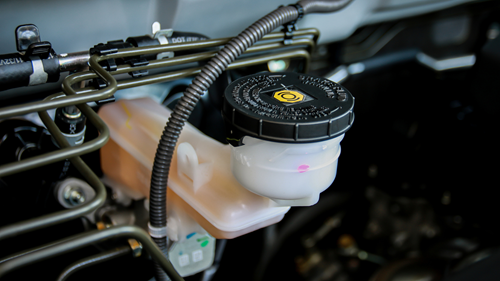
The service life of the master brake cylinder is influenced by multiple factors, such as driving habits, maintenance practices, and product quality. A detailed analysis is provided below:
Driving Habits
Aggressive driving, such as frequent hard braking, rapid acceleration, or heavy towing, increases the stress on the brake system, which can cause the master cylinder to wear out faster. On the other hand, smooth and gradual braking helps extend its lifespan.
Environmental Factors
Extreme temperatures, humidity, and road salt can speed up the degradation of brake components. In particularly wet or salty environments, the master cylinder may rust, while freezing temperatures can cause seals to crack or become brittle.
Product Quality & Vehicle Usage
- OEM vs. Aftermarket Parts: OEM or high-quality parts tend to last longer and are more reliable, while cheaper aftermarket parts may wear out sooner.
- Vehicle Age & Storage: Older or infrequently driven vehicles may have hardened seals due to aging, leading to premature wear in the master cylinder.
- Load & Towing: Regularly carrying heavy loads or towing puts extra strain on the braking system, reducing the master cylinder’s lifespan.
Brake Fluid Condition
The condition of your brake fluid directly affects the health of the brake master cylinder:
- Moisture Content: Brake fluid absorbs moisture over time, which can corrode metal parts and cause rubber seals to swell and degrade, shortening the master cylinder’s lifespan.
- Replacement Interval: To maintain optimal performance and extend the life of the master cylinder, replace brake fluid every 2 years or 40,000 kilometers, following the manufacturer’s guidelines.
How to Check the Condition of Your Brake Master Cylinder
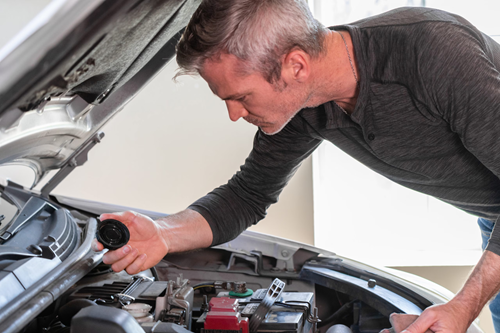
To better understand the health of your brake master cylinder, here’s a simple way to assess its condition:
Youth Stage
(<5 Years / <100,000 km, Well-Maintained)
The brake system should feel firm and responsive, with no signs of wear or softness in the pedal.
Signs of Youth Stage:
- Firm, solid brake pedal.
- Smooth and responsive braking performance.
Middle-Aged / Risk Stage
(Early Warning Signs)
At this stage, you might notice the brake pedal feels a bit softer or has a slightly longer travel. These could be early signs of wear, particularly if the brake fluid hasn’t been changed recently.
Signs of Middle-Aged Stage:
- The pedal feels slightly soft or spongy.
- Cold starts may cause the brake pedal to feel softer, but it firms up as the car warms up.
Endangered Stage
(Immediate Replacement Needed)
In this stage, your brake master cylinder is showing serious signs of internal leakage. If you notice a brake pedal that sinks slowly when held down, or see an ABS/ESP warning light appear unexpectedly, it’s time to replace the master cylinder immediately.
Signs of Endangered Stage:
- The brake pedal will depress all the way to the floor when pressed and held.
- ABS or ESP warning lights are triggered without a clear cause.
- Fluid leakage around the master cylinder.
How to Extend the Life of Your Brake Master Cylinder
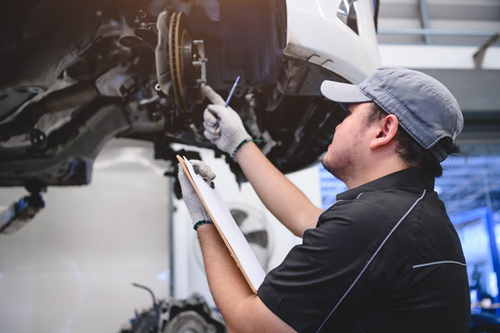
You can extend the life of your brake master cylinder by following these simple maintenance tips:
- Regular Inspections
Have your brake system checked at least once a year to catch any early signs of wear. This includes inspecting the master cylinder for leaks, cracks, or signs of corrosion. - Use Quality Brake Fluid
Make sure to use the recommended brake fluid type and change it at regular intervals. This helps prevent contamination and ensures smooth operation of the hydraulic system. - Avoid Aggressive Driving
Smooth, gradual braking is not only better for your brake pads, but it also reduces the stress on the brake master cylinder. - Timely Replacement of Worn Components
If your brake pads or discs are worn, replace them promptly. Worn brake components put more stress on the master cylinder and can lead to premature failure.
Conclusion
The average lifespan of a brake master cylinder is influenced by various factors, but typically ranges from 5 to 10 years or 80,000 to 150,000 kilometers for typical drivers. Under ideal conditions, it could last even longer, while harsh driving conditions can reduce its lifespan significantly.
By recognizing the signs of wear, performing regular maintenance, and replacing worn parts on time, you can extend the life of your brake master cylinder and avoid costly repairs. For automotive professionals, educating customers on proper brake system care is crucial to ensuring safe and reliable vehicle operation.