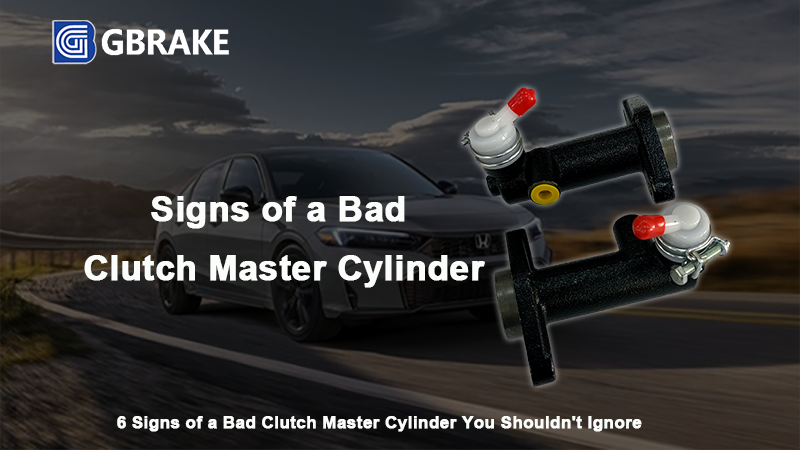
The clutch master cylinder is a critical component in the hydraulic clutch system, enabling smooth gear shifts and clutch operation. When it starts to fail, it can lead to a host of driving issues that affect both the vehicle’s performance and safety. Recognizing the signs of a bad clutch master cylinder early can save drivers from costly repairs and unsafe driving conditions. In this article, we will explore the common symptoms of a failing clutch master cylinder and guide you on what to do if these issues arise.
Common Signs of a Bad Clutch Master Cylinder
A malfunctioning clutch master cylinder can cause various problems in the clutch system. Below are the common signs to watch out for, with clear explanations of their symptoms, causes, and recommended actions.
Soft or Spongy Clutch Pedal

What it feels like:
- The clutch pedal feels off—soft and weak when you press it, like a deflated ball, and doesn’t spring back as it should.
- It may travel further than normal before engaging, and the pedal may seem longer than usual.
Possible causes:
- Air in the hydraulic lines: Air entering the system reduces hydraulic pressure, making the pedal feel soft. This can be caused by a leak or an improperly bled system.
- Low hydraulic fluid levels: Low fluid due to leaks or fluid loss can prevent the master cylinder from building sufficient pressure, resulting in a soft pedal.
- Worn seals in the master cylinder: Over time, the seals inside the master cylinder wear out, allowing fluid or air to escape, leading to poor pedal response.
What to do:
- Check the brake fluid level and top it off if necessary. If the pedal remains soft, inspect for leaks or air in the system. A master cylinder replacement may be needed if the seals are worn.
Clutch Pedal Stays on the Floor
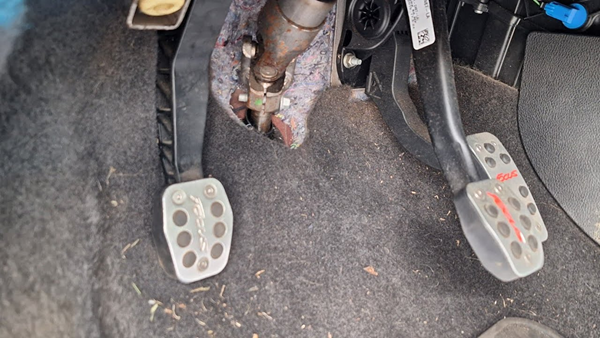
What it feels like:
- The clutch pedal stays at the bottom of its stroke and doesn’t return to its normal position when released.
- The pedal might feel “stuck” at the bottom, making it impossible to engage the clutch properly.
Possible causes:
- Internal failure of the master cylinder: Worn seals inside the master cylinder prevent it from creating the required hydraulic pressure to return the pedal.
- Hydraulic fluid loss: Leaks in the system reduce the fluid levels to a point where the clutch system cannot generate enough pressure to raise the pedal.
- Faulty pushrod or return spring: In some cases, the pedal return mechanism (pushrod or return spring) may fail, preventing the pedal from returning to its normal position.
What to do:
- Check for visible hydraulic fluid leaks around the master cylinder and fill the fluid if it is low.
- If the pedal remains stuck, inspect the master cylinder for internal damage. If needed, replace the master cylinder to restore full function.
Difficulty Engaging Gears
What happens:
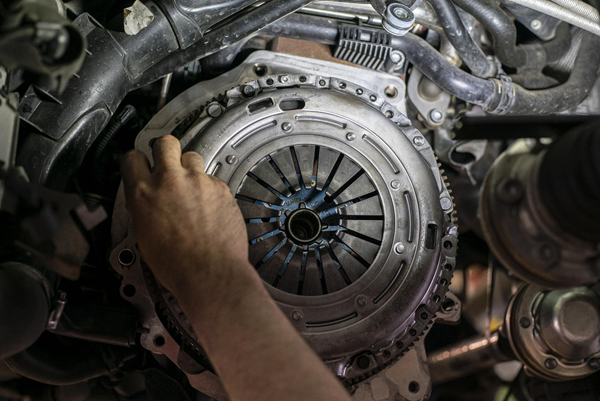
- You might have trouble getting the car into gear, especially when shifting into first or reverse.
- It could feel like there’s resistance, or you might hear grinding noises when trying to shift. The gears may not engage smoothly, and shifting could feel sloppy or hard to control.
Possible causes:
- Clutch not fully disengaging: The master cylinder might not be releasing the clutch fully, preventing smooth gear changes.
- Hydraulic pressure loss: The master cylinder failing to generate enough hydraulic pressure can make it difficult to disengage the clutch, causing shifting issues.
- Worn slave cylinder: Sometimes, the issue might actually be with the slave cylinder. It’s the part that helps move the clutch fork and disconnect the clutch from the engine, so if it’s worn out, it can cause problems.
What to do:
- Take a quick look at the fluid level and peek around the system for any signs of leaks. If the problem persists, examine the master cylinder and slave cylinder to determine which component is causing the shifting failure.
- If the issue lies with the master cylinder, it may need to be replaced.
Fluid Leaks Around the Master Cylinder
What to look for:
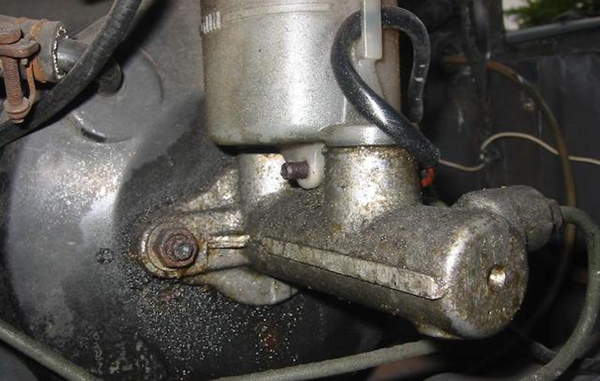
- Visible fluid pooling around the clutch pedal, firewall, or underneath the vehicle.
- Fluid may leak from the rubber boot of the master cylinder or from around the hydraulic connections.
Possible causes:
- Worn or damaged seals: The seals inside the master cylinder degrade over time, leading to fluid leakage.
- Cracked master cylinder housing: If the housing is cracked, hydraulic fluid can leak out, leading to a drop in pressure.
- Corroded or loose hydraulic connections: The lines and fittings connecting the master cylinder to the slave cylinder may corrode or loosen, allowing fluid to leak.
What to do:
- Inspect the master cylinder for visible cracks or leaks. Replace the master cylinder if necessary.
- Tighten any loose connections and replace any corroded or damaged hydraulic lines.
Unusual Noises When Pressing the Clutch Pedal
What it sounds like:
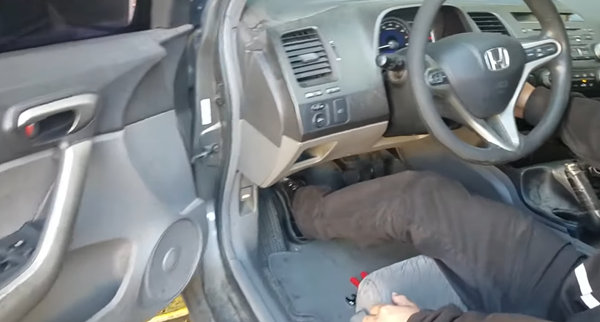
- Squeaking, whining, or grinding noises when the clutch pedal is pressed.
- These noises may be intermittent or occur every time the pedal is engaged.
Possible causes:
- Air in the hydraulic system: Air bubbles in the system can create noises as the fluid moves through the lines.
- Dry or worn-out master cylinder components: If the internal components of the master cylinder are worn or not properly lubricated, they can produce noises when pressed.
- Low or contaminated hydraulic fluid: Dirty or low fluid can affect the performance of the system, resulting in strange sounds.
What to do:
- Listen for any strange noises and check the hydraulic fluid. If the fluid is dirty or low, replace it and bleed the system to remove air.
- If the noises continue, inspect the master cylinder for internal damage and replace it if necessary.
Vibration or Shuddering When Pressing the Clutch Pedal
What it feels like:
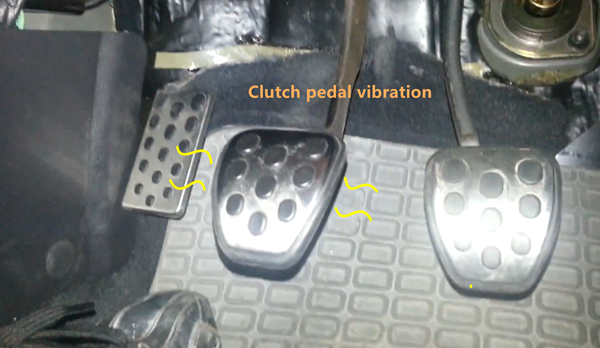
- A noticeable vibration or shuddering sensation when the clutch pedal is pressed, particularly at low speeds or when disengaging the clutch.
Possible causes:
- Air in the hydraulic lines: Air bubbles disrupt the fluid flow, causing uneven pressure that results in vibrations in the pedal.
- Contaminated or degraded hydraulic fluid: Old or contaminated fluid can cause uneven fluid flow, leading to pedal vibrations.
- Faulty master cylinder components: Worn internal components can cause erratic fluid movement, leading to vibrations.
What to do:
- Bleed the system to remove any air trapped in the hydraulic lines.
- Flush and replace the hydraulic fluid if it is contaminated.
- If the vibrations continue, inspect the master cylinder for signs of wear or damage.
Consequences of Ignoring a Bad Clutch Master Cylinder
If left unchecked, a bad clutch master cylinder can lead to serious issues, including:
- Complete clutch failure: If the master cylinder fails, the clutch won’t disengage, making it impossible to shift gears or even drive the vehicle.
- Increased repair costs: Ignoring the signs can lead to further damage to the entire clutch system, resulting in costly repairs.
- Safety concerns: A failing clutch master cylinder can affect your ability to drive safely, especially when shifting gears or stopping.
What to Do If You Suspect a Bad Clutch Master Cylinder
If you notice any of the above signs, it’s important to take action:
- Check the fluid levels and look for any leaks around the master cylinder and slave cylinder.
- Inspect the pedal feel and ensure the clutch is engaging and disengaging smoothly.
- Replace the master cylinder if leaks, internal damage, or worn seals are found.
For professional service, it’s best to have a mechanic inspect and replace the master cylinder if needed.
Helping Customers Maintain Their Clutch System
For auto repair shops and mechanics, educating customers on how to maintain their clutch systems can prevent costly repairs:
- Regular fluid checks: Encourage customers to check their hydraulic fluid levels regularly.
- Periodic inspections: Recommend regular inspections to catch small issues before they become major problems.
- Timely fluid changes: Advise customers to change the hydraulic fluid at regular intervals to prevent contamination and ensure smooth clutch operation.
Conclusion
The clutch master cylinder is a critical part of the clutch system, and recognizing the signs of a bad clutch master cylinder early is essential for maintaining vehicle performance and safety. If you notice soft pedals, fluid leaks, or difficulty engaging gears, it’s important to take action promptly. By educating customers and offering proactive maintenance, auto repair professionals can help prevent major clutch problems and build trust with their clients.